
Published on Apr 22, 2026 | 7 minute read
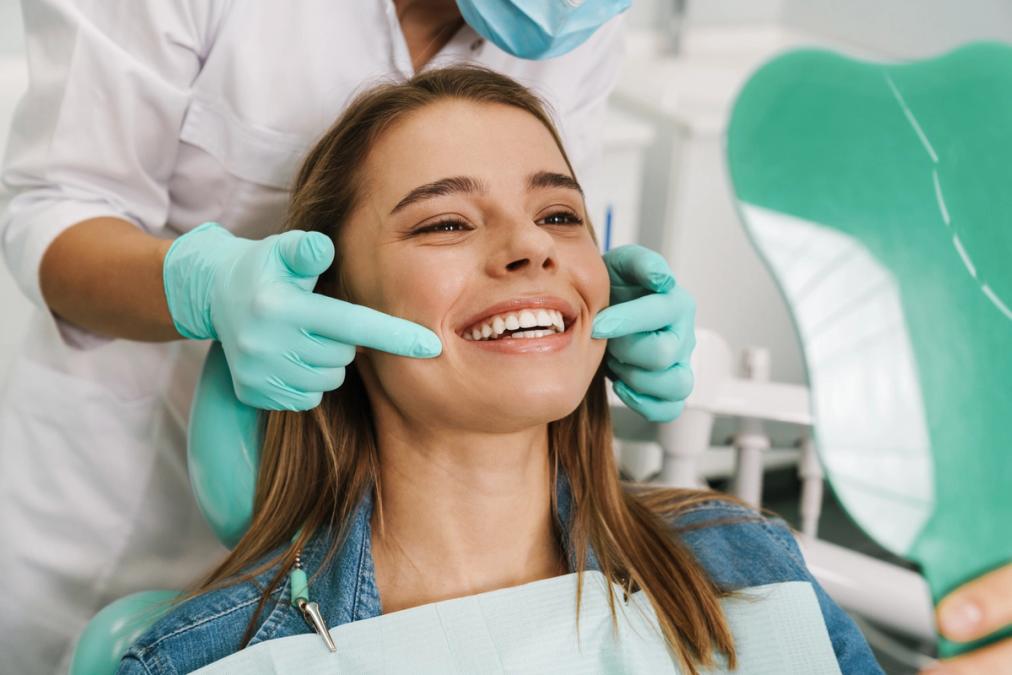
If you’ve ever caught your smile in harsh lighting and thought, “When did my teeth get so dull?” you’re not imagining it. Stains build slowly, so the change feels sudden. Professional teeth whitening is a cosmetic dentistry service designed to brighten safely, predictably, and comfortably—without the guesswork of random kits.
Teeth discolor for two main reasons: surface stains and internal color shifts. Surface stains come from coffee, tea, red wine, dark sodas, and richly colored foods. These pigments stick to microscopic enamel texture. Internal darkening happens as enamel thins with age and the underlying dentin shows through. Certain medications and past trauma can also alter internal shade.
Understanding stain type matters because whitening lifts natural tooth color, but it doesn’t change crowns, veneers, or tooth-colored fillings.
Professional whitening uses dentist-supervised gels and a plan matched to your teeth and sensitivity level. That supervision is the difference between “whiter” and “whiter without regret.” We confirm you don’t have untreated cavities, leaking fillings, or gum inflammation that could make whitening uncomfortable. Then we choose the approach that fits your goals and schedule.
In-office whitening is designed for speed. After we protect your gums, we apply a high-strength whitening gel in controlled cycles. Most visits take about an hour, and many patients see several shades of improvement immediately.
Some people feel temporary “zingers” during or after whitening. We can reduce sensitivity by adjusting gel strength, limiting cycle time, and recommending desensitizing products before and after your visit. Sensitivity usually fades within a day or two.
Take-home whitening uses custom-fitted trays created from a scan of your teeth. You apply a measured amount of gel and wear the trays for a set time each day, usually for one to two weeks. Because the process is gradual, many patients find it gentler.
Custom trays hug your tooth contours, which keeps gel where it belongs and reduces gum irritation. They also distribute gel evenly so results look consistent across your smile. Plus, you keep the trays for future touch-ups.
Most patients see meaningful improvements, but the “best” shade is personal. A natural, bright smile typically harmonizes with the whites of your eyes and your skin tone. Over-whitening can look flat or chalky. During your consultation, we’ll help you choose a goal shade that looks fresh and realistic.
Whitening won’t lighten:
If you have visible restorations on front teeth, the best plan is often to whiten first, then replace old restorations to match the brighter shade.
The most common whitening side effect is temporary sensitivity. Gum irritation can happen if gel overflows onto tissue, which is more likely with one-size trays. That’s why custom trays and dentist guidance are important.
To keep whitening comfortable:
Whitening isn’t permanent because life is colorful. However, results can last a long time with simple habits:
Right after whitening, enamel can be slightly more porous for a short time. That doesn’t mean it’s weak, but it does mean pigments can reattach more easily. For the first day or two, choose lighter-colored foods when you can, and rinse with water after anything dark. If you drink coffee, consider having it with a meal instead of sipping for hours, and avoid smoking or vaping during this window.
“Whitening lights do all the work.” The gel is the active ingredient; lights mainly speed surface dehydration.
“Charcoal is safer.” Abrasive powders can scratch enamel, making teeth look duller over time.
“More gel equals faster whitening.” Extra gel increases irritation without improving results.
We’ll also show you how to load trays to avoid overflow.
If you already have sensitivity, it doesn’t automatically disqualify you. It just means we plan differently: shorter wear times, lower concentration gels, and supportive products. We also check for hidden causes of sensitivity, like gum recession or cracked fillings, that should be addressed first.
Does whitening damage enamel? Professional whitening is designed to be enamel-safe when used as directed.
Can I whiten if I have cavities? We typically treat cavities first to avoid irritation.
Will my teeth look uneven? With proper tray fit and supervision, whitening is usually even. Existing restorations are the main reason for shade mismatch.
If you need rapid improvement, in-office whitening is often best. If you want control and gentle pacing, take-home trays are excellent. Many patients combine both: an in-office boost followed by a short tray program to fine-tune and maintain.
Professional whitening can be a simple, confidence-boosting upgrade when it’s planned correctly. The best first step is a consultation to evaluate stains, check existing restorations, and pick the approach that matches your comfort level and timeline.
Ready to brighten your smile safely? Contact All Smile Care in Lowell at 978-441-1999 to Book an Appointment for professional teeth whitening.