Published on May 1, 2026 | 6 minute read
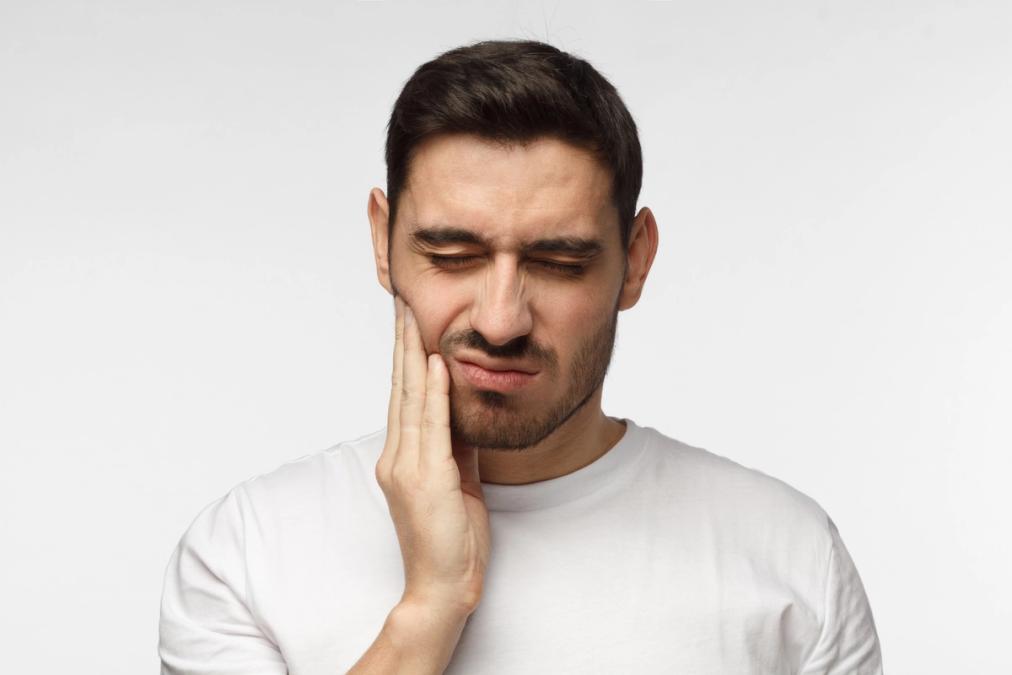
Dental trauma is scary, especially when it involves your front teeth. If you’ve been hit in the mouth, fell, or had a sports injury, the minutes right after an accident can make a big difference. At All Smile Care in Lowell, we provide emergency treatment for dental trauma, including knocked-out teeth and jaw or oral injuries, with a calm approach and modern diagnostic tools.
If you have trouble breathing, uncontrolled bleeding, or a suspected broken jaw, go to the nearest emergency room immediately. For most dental injuries—like a knocked-out tooth, a tooth that’s pushed out of place, or a cracked tooth with pain—call us right away during business hours so we can get you in for same-day emergency care.
If a permanent (adult) tooth is knocked out, quick action matters.
Pick it up by the crown (the chewing edge), not the root. The root surface contains delicate cells that help the tooth reattach.
If there’s dirt on the tooth, rinse it briefly with clean water. Do not scrub it, and do not use soap or chemicals.
If you feel comfortable, gently place the tooth back into the socket and hold it in place by biting softly on gauze or a clean cloth. If it won’t go in easily, don’t force it.
Place the tooth in milk, or keep it inside your cheek if you’re alert and old enough not to swallow it. Avoid wrapping it in a dry tissue. Moisture helps protect the root surface.
Time is critical. The sooner we can evaluate and stabilize the tooth, the better your chances.
If a baby tooth is knocked out, do not try to put it back in. Reimplanting a baby tooth can damage the developing adult tooth underneath. Call us so we can evaluate the area, confirm everything is safe, and guide you on next steps.
Dental trauma isn’t always a full knock-out. These injuries still deserve prompt care.
A tooth can be intruded (pushed up into the gum) or extruded (pulled partially out). You may notice the tooth looks shorter or longer than neighboring teeth. We evaluate the position, check the nerve, and stabilize the tooth when appropriate.
Small chips can feel minor, but sharp edges can irritate your tongue, and deeper fractures can expose dentin or the nerve. We can smooth sharp areas quickly and recommend the best repair based on the depth of the fracture and your bite.
Soft tissue injuries can bleed a lot. We’ll assess for debris, examine the bite, and ensure there isn’t a hidden tooth fracture contributing to the injury.
Even if teeth look fine, jaw soreness and limited opening can signal a joint strain or fracture. We’ll evaluate your jaw function and advise if medical imaging or hospital evaluation is needed.
When you come in for a trauma visit, our goal is to reduce anxiety by giving you a clear plan.
We check bleeding, swelling, and pain levels. If you’re in significant discomfort, we focus on pain control early.
We use digital X-rays and advanced diagnostic tools to look for root fractures, bone injuries, and tooth displacement. Trauma can cause damage below the gumline that’s not visible in a mirror, so imaging helps us make safe decisions.
If a tooth is knocked out and reimplanted, we may stabilize it with a splint that gently holds it in position while tissues heal. If a tooth is cracked, we may protect it with a temporary restoration or recommend a same-day crown when appropriate.
Trauma treatment is often a sequence, not a single moment. A tooth that looks fine today can develop nerve symptoms later. We schedule follow-ups to monitor healing and make sure you stay comfortable.
You can do several simple things to support healing.
If you notice increasing swelling, fever, a bad taste, or pain that worsens instead of improves, call us right away.
When you call us with a trauma situation, we don’t expect you to be calm or to know the perfect steps. We guide you through what to do next, prioritize same-day care during business hours, and use hi-tech tools to make diagnosis fast and accurate. Most importantly, we treat you with compassion and clarity, so you feel supported from the first phone call.
If you’ve experienced dental trauma—especially a knocked-out tooth—don’t wait and hope it settles. Let us evaluate the injury, stabilize what we can, and plan the next steps to protect your smile. We’ll explain options and help you feel in control again.
If you’ve knocked out a tooth or injured your mouth, call All Smile Care in Lowell at 978-441-1999 to Call Us Today for same-day emergency dental care.