
Published on Dec 5, 2025 | 7 minute read
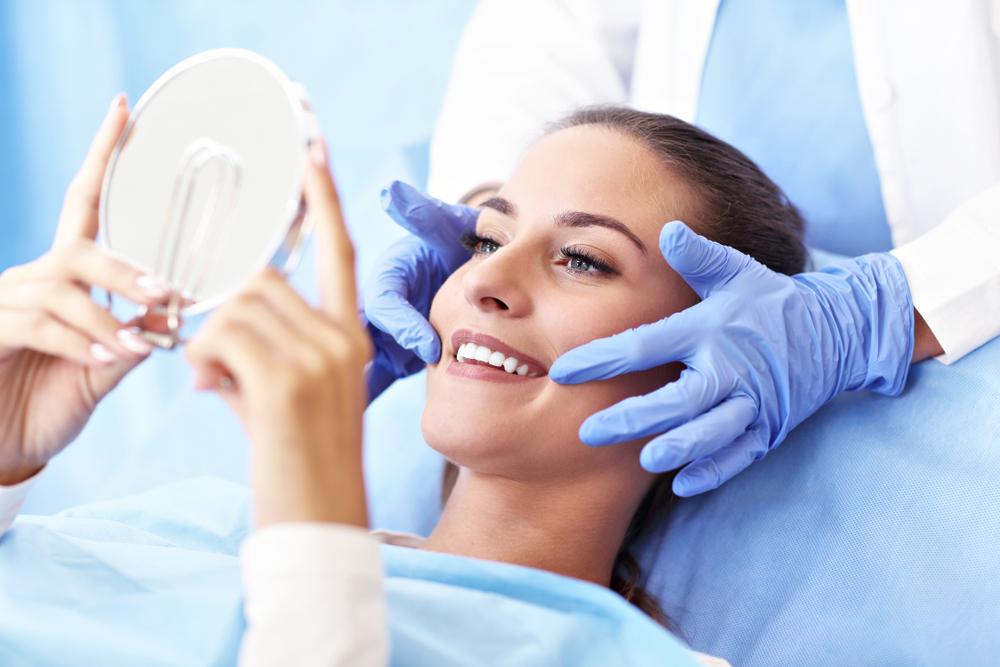
Thinking about a brighter smile for photos, an interview, or simply more confidence? Here’s how professional whitening works—and how to choose the option that fits your life.
Even with excellent brushing, enamel accumulates pigments from coffee, tea, red wine, and richly colored foods. Microscopic irregularities in enamel create hiding places for color. As we age, the inner dentin layer naturally darkens, which shows through translucent enamel. Certain medications, smoking or vaping, and past trauma can also influence shade. Understanding why discoloration happens helps set realistic expectations for how far whitening can safely go.
Pharmacy shelves are packed with toothpastes, strips, pens, and lights. These can help with light surface stains, but they usually contain lower concentrations of active ingredients and rely on one-size trays or simple contact. Professional whitening uses precision-fitted trays and clinically tested gels that maintain close, even contact across every curve of your teeth. That means more predictable shade changes, better coverage between teeth, and customized strategies when sensitivity appears.
Short on time? In-office whitening provides a jumpstart in about an hour. After we protect your gums, a concentrated gel is applied in cycles. You leave with a noticeably brighter smile that day. Many patients then use custom trays at home for a few nights to lock in the result.
Custom trays paired with professional gel let you whiten gradually at home—usually thirty to sixty minutes a day for ten to fourteen days. Because the process is steady and controlled, many people experience less sensitivity and can pause for a day if teeth feel zingy. Slow and steady also makes it easier to stop at a shade that looks natural for your skin tone.
Whitening lifts natural tooth structure; it does not change the color of crowns, veneers, or fillings. If you have visible restorations, we plan carefully: whiten first, then replace restorations to match the new shade. Stains from tetracycline or fluorosis can be stubborn; longer protocols or alternative cosmetic options like bonding or veneers may provide better results.
A brief, cold-air twinge is common during whitening because gels open enamel tubules temporarily. To minimize sensitivity, use a desensitizing toothpaste for one to two weeks before and during treatment, shorten daily wear time, or whiten every other day. We can also recommend gels that contain potassium nitrate or fluoride to calm nerves. Sensitivity typically resolves within a day or two after completing treatment.
Aim for brighter, natural, and fresh—not blinding. A shade that roughly matches the whites of your eyes tends to look harmonious. We will show a shade guide and progress photos so you can decide when you have reached your sweet spot. Remember, lighting changes color perception; check your smile in natural light before deciding to continue.
Life is colorful, so results gradually soften. Maintain your brightness by rinsing with water after dark beverages, using a straw for iced drinks, and keeping professional cleanings on schedule. Most people “boost” with their custom trays for two or three nights every few months. Touch-ups are simple because you already own perfectly fitted trays.
When supervised by a dentist and used as directed, professional gels are safe for enamel and gums. Gum irritation usually stems from overflow gel or poor fit—both easily prevented with custom trays and careful application. If you are pregnant or nursing, we recommend waiting to whiten. Address active cavities or cracked fillings before whitening to avoid irritated nerves.
If you want to change color and shape—masking chips, closing small gaps, or lengthening worn edges—cosmetic bonding or porcelain veneers may be better options. Often the best plan is to whiten first, then finalize bonding or veneers to match the lighter shade for a cohesive look. For teeth with structural damage, a well-contoured crown can restore strength while blending with your post-whitening color.
“Blue lights make whitening stronger.” The gel does the work; lights mostly accelerate dehydration, which can make teeth appear whiter temporarily.
“Whitening weakens enamel.” Properly used peroxide gels pass through enamel without damaging its structure; sensitivity is temporary.
“Charcoal is safer and more natural.” Abrasive powders can scratch enamel and gums, making teeth look dull over time.
“Once whitened, always white.” Color slowly rebounds as pigments reaccumulate; touch-ups keep you on track. If sensitivity ever surprises you, pause for a day and resume with shorter session.
Think of whitening like fitness: small, consistent habits beat occasional sprints. Sip dark beverages quickly rather than lingering, chase them with water, and brush before bed with a fluoride toothpaste. An electric brush improves plaque removal, which makes enamel reflect light more evenly. Schedule cleanings on time, and keep a couple of whitening syringes on hand so a weekend touch-up is always available.
If you are ready for a boost in confidence, schedule a whitening consultation. We will examine your teeth, discuss shade goals, evaluate existing restorations, and recommend the method that fits your schedule. With the right plan, you can brighten safely and keep that glow going all year.
Ready for a brighter, confident smile? Contact All Smile Care in Lowell at 978-775-3039 to Book an Appointment and choose the whitening plan that works for you.