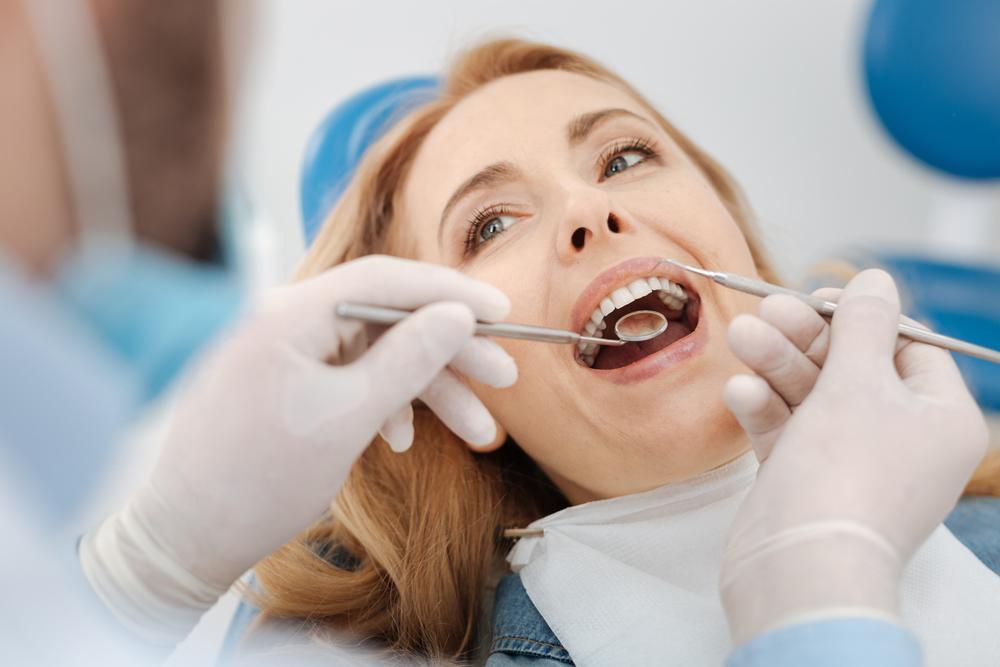
A healthy smile starts below the surface. Here’s how to protect your gums and keep your teeth for life with practical steps that really work.
What Periodontal Disease Is
Gum disease begins when sticky plaque hardens into tartar along the gumline, irritating tissues. Early gingivitis causes redness and bleeding when you brush or floss. Left unchecked, inflammation damages the bone and ligaments that support teeth—this stage is periodontitis. Pockets deepen, gums recede, and teeth can loosen. Because periodontitis often progresses quietly, routine exams and measurements are essential for early detection.
Why It Matters Beyond Your Mouth
Chronic oral inflammation can make blood sugar harder to control and has been linked with systemic concerns. While research continues to clarify mechanisms, the everyday takeaway is straightforward: healthier gums support better overall wellness and reduce the risk of dental emergencies. People frequently report fresher breath, more stable teeth, and greater confidence once bleeding and tenderness are resolved.
Early Signs To Watch For
Look for bleeding during brushing, persistent bad breath, gum tenderness, recession, or teeth that feel slightly loose. Sensitivity to cold along the gumline can hint at root exposure. If floss always catches in the same spot, plaque and tartar may be accumulating below the surface. None of these signs mean you have advanced disease, but they do mean it is time to get evaluated and coached.
Our Step-By-Step Approach
- Comprehensive evaluation: We measure pocket depths, assess bleeding, review your medical history, and take X-rays.
- Personalized cleaning plan: From routine cleanings to scaling and root planing for deeper deposits, we match care to your risk.
- Home care coaching: We demonstrate brushing angles, flossing methods, and alternatives like interdental brushes and water flossers.
- Maintenance: After active therapy, periodontal maintenance every three to four months keeps bacteria from recolonizing deep pockets.
Tools And Technology That Help
Gentle ultrasonic scalers break up hardened deposits efficiently. Localized antimicrobials or rinses can reduce bacterial load in stubborn sites. For sensitive areas, topical anesthetics improve comfort without numbing your whole mouth. Digital imaging lets us track changes over time, so you can see proof of healing and stay motivated.
Lifestyle Factors You Can Control
- Tobacco: Quitting dramatically improves gum health and healing after therapy.
- Diabetes: Work with your physician to maintain control; stable blood sugar supports healthy gums.
- Dry mouth: Hydration, saliva-supporting strategies, and sugar-free xylitol mints help neutralize acids.
- Nutrition: Choose fiber-rich foods, lean proteins, and limit added sugars and frequent snacking.
Can Gums Grow Back?
Inflamed tissue can tighten and look healthier with treatment, but advanced recession does not reverse on its own. In specific cases, grafting procedures can improve coverage and comfort. The earlier we intervene, the better the outcome for both appearance and function.
Everyday Habits That Protect Gums
Brush twice daily for two minutes with a soft brush, angling bristles toward the gumline. Glide floss gently along the side of each tooth, hugging the curve. If fingers struggle to reach, an interdental brush or water flosser can make the job easier. Antimicrobial mouthrinses, used as directed, can reduce bacteria while tissue heals. Replace brush heads every three months or sooner after illness.
Orthodontics, Crowns, And Gum Health
Crowded teeth trap plaque; aligning them with Invisalign can make cleaning easier and reduce inflammation. Overhanging fillings can irritate gums; polishing or replacement smooths the transition. When a tooth has fractured or has a deep cavity, a well-contoured crown supports gum health by eliminating ledges and restoring proper contacts that do not trap food.
What Maintenance Really Means
Periodontal maintenance is not “just another cleaning.” We revisit pocket depths, disrupt bacteria below the gumline, and reinforce home-care techniques. Because bacteria repopulate quickly, three- to four-month intervals keep them from regaining a foothold. If a site flares up, we address it before it becomes a larger problem.
Answers To Common Questions
Will treatment hurt? Comfort is a priority. Numbing gel or local anesthesia makes deep cleaning very manageable.
Will my breath improve? As pockets shrink and plaque reduces, breath typically freshens.
How long will I need maintenance? Periodontitis is manageable, like high blood pressure. Ongoing maintenance keeps it controlled.
Can I do this on my own? Home care is powerful, but professional cleanings reach areas tools at home cannot.
Medications And Medical Conditions
Certain medications reduce saliva flow, including many antihistamines, antidepressants, and blood pressure drugs. Less saliva means less natural rinsing and increased acidity, which encourages plaque growth. If dry mouth bothers you, we can coordinate with your physician, suggest saliva substitutes, and recommend high-fluoride toothpaste to protect exposed roots. Hormonal changes during pregnancy or menopause can heighten gum sensitivity; tailored cleanings and gentle home care keep inflammation controlled.
Measuring Progress That You Can Feel
Healing is visible and measurable. Bleeding points diminish, pockets tighten, and your brush feels smoother along the gumline. Chewing becomes more comfortable as inflammation fades. We chart numbers at each visit so you can track like fitness milestones. When setbacks happen—illness, stress, travel—we reset habits, reinforce basics, and celebrate the next win. Consistency matters more than perfection.
The Role Of Fluoride And Desensitizers
Fluoride varnish strengthens softened enamel at the gumline and can calm sensitivity that discourages brushing. For exposed roots, we may recommend calcium-phosphate pastes or prescription toothpaste to rebuild minerals. When brushing hurts less, you naturally clean better, which further reduces inflammation—a simple cycle that moves you in the right direction.
Your Next Step In Lowell
If you have bleeding gums, tenderness, or worry about bad breath, a focused evaluation can give you clarity and a plan. We will show you what we see, explain options clearly, and support you at every step. Gums can heal. With steady habits and timely visits, you can keep your smile strong for decades.
Want healthier gums and fresher breath? Call All Smile Care at 978-775-3039 to Schedule a Consultation in Lowell and get a custom plan for your gum health.
Start Your Smile Journey
Experience hi-tech, budget-friendly dental care in Lowell with Dr. Goel and our caring team. Book your appointment now to discover the All Smile Care difference.