
Published on Nov 18, 2025 | 7 minute read
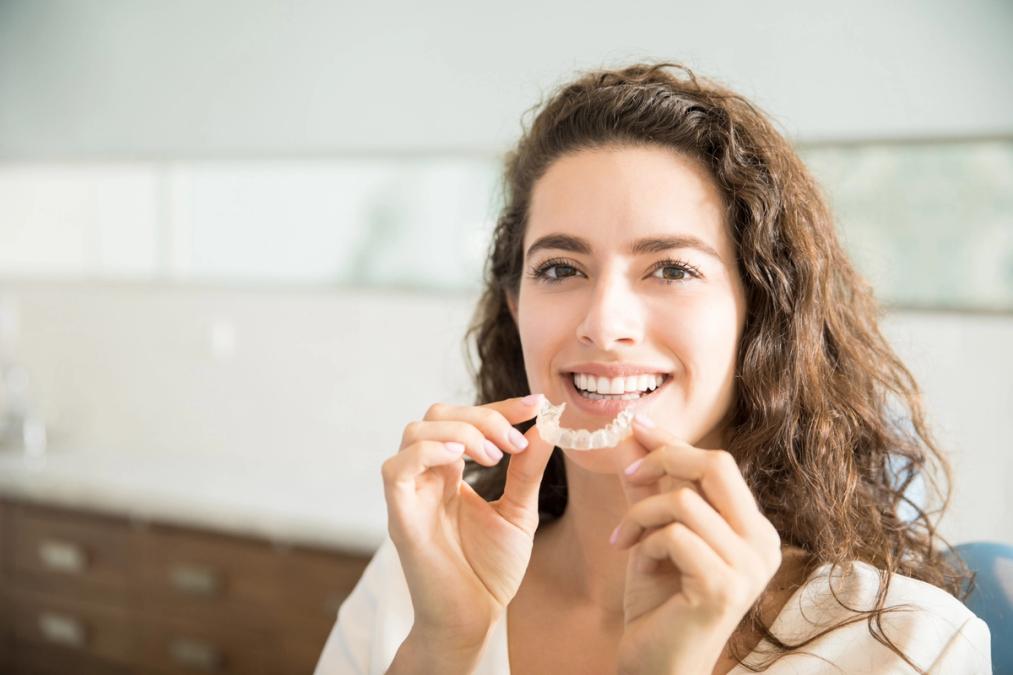
Want a straighter smile without brackets and wires? Invisalign clear aligners can discreetly guide teeth into place—often with fewer office visits and minimal disruption to your day.
Clear, removable aligners fit busy lives. You can eat what you love, brush and floss normally, and take photos without braces in the spotlight. Digital planning previews your future smile, which helps set expectations and keeps motivation high throughout treatment.
Invisalign is excellent for mild to moderate crowding, spacing, and certain bite issues such as overbite, crossbite, and relapse after braces. Complex cases may combine aligners with tooth-colored attachments, interproximal reduction to create tiny amounts of space, or limited braces for specific movements. During your consultation, we evaluate goals, timing, and budget so you receive a plan that balances efficiency, comfort, and esthetics.
Take aligners out for meals and drinks other than water. Rinse them when you remove them, and brush before reinserting to prevent staining. Store trays in a case, never a napkin. A small lisp on day one is normal and fades quickly as your tongue adapts. For athletes and musicians, aligners are usually compatible with your routines, though we can discuss timing around competitions or performances.
Gentle, consistent pressure moves teeth gradually, so most people feel only light soreness for a day or two with each new tray. Chewies or seating tools help ensure the trays fully engage. If edges feel rough, a quick polish in the office or a dab of orthodontic wax can improve comfort. Speech typically normalizes within hours as you adapt to the thin material.
Because aligners are removable, you can keep your teeth and gums healthier than with fixed braces—if you keep a consistent routine. Brush morning and night for two minutes, floss daily, and clean aligners with clear, unscented soap and cool water. Avoid hot water, which can warp plastic. Storing used trays in a clean case prevents odor and keeps pets from turning them into chew toys.
With no dietary restrictions, you can enjoy crunchy apples, popcorn at the movies, and celebratory meals with friends. The rule is simple: aligners out to eat, brush or rinse, aligners back in. For special events, remove trays for short periods, then make up the wear time. Because trays are transparent, most people will not notice ongoing treatment unless you point it out.
Every smile is unique. Average treatment ranges from six to eighteen months, depending on the complexity and how faithfully you wear your trays. Digital planning improves predictability, and mid-course corrections called refinements allow us to capture stubborn movements without restarting from scratch. Consistent wear is the single biggest factor in finishing on time.
Attachments are small, tooth-colored shapes bonded temporarily to your teeth to help aligners grip and guide movement. Elastics can fine-tune bite relationships when needed. Interproximal reduction, or IPR, uses ultra-thin polishing strips to gently create space, reducing the need for extractions in many cases. These tools are conservative and comfortable, and they often shorten total treatment time.
Teeth have memory and will drift without support. Retainers hold your new alignment while bone and ligaments stabilize. Expect nightly wear at first, then follow a maintenance schedule that fits your lifestyle. Many patients transition to a few nights per week long-term. Plan to replace retainers periodically; fresh retainers keep fit and hygiene optimal.
Straightening teeth can be the foundation for conservative cosmetic care. Once alignment is improved, minor bonding, contouring, or whitening can refine edges and color with less drilling than would have been needed before. For teeth with structural damage, same-day crowns restore strength while complementing your new, even bite.
“Aligners only fix small problems.” Modern protocols handle many moderate cases effectively, with attachments and elastics.
“Treatment is painless.” Movement is gentle, not magic; expect mild, manageable pressure.
“You can skip wear time and catch up later.” Teeth respond to steady forces. Missed hours slow progress and can lengthen treatment.
“Results don’t last.” Retainers preserve alignment the way seatbelts preserve safety—simple, proven, essential.
School, sports, and social life keep teens busy. Because aligners are removable and discreet, compliance is usually high when goals are clear. Many teen aligners include indicators that fade with wear, giving parents and providers a quick snapshot of usage. Regular check-ins keep momentum, and lost trays can be replaced without derailing treatment.
If you are curious about how Invisalign could work for your smile, schedule a consultation. We will scan, photograph, and evaluate your bite, then show you a clear plan and a realistic timeline. You will leave knowing exactly how trays feel, how to care for them, and what to expect at each stage.
Curious if Invisalign can work for your smile? Contact All Smile Care in Lowell at 978-775-3039 to Book an Appointment and get your custom plan.